Otomi Embroidery Design
First Impressions: Bold, Festive, and Full of Character
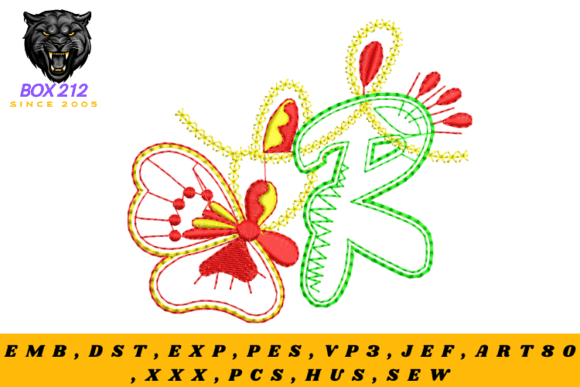
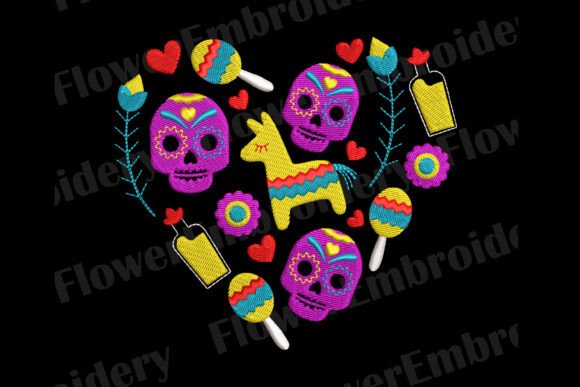
The Otomi Embroidery Design immediately catches the eye with its vibrant colors and intricate patterns. It feels festive and culturally rich, making it a strong contender for craft fair displays. The design is bold enough to stand out on any product but subtle enough to work as an accent or focal point depending on the item. Its Mexican roots add a unique story that resonates well with customers looking for meaningful handmade items.
Product Fit: From Tote Bags to Pillow Covers
The Otomi Embroidery Design performs exceptionally well across a range of craft fair products. On tote bags, it adds a pop of color and cultural flair, perfect for gift-giving. Apron embroidery brings a touch of elegance and charm, ideal for kitchenware enthusiasts. Tea towel embroidery is another standout, where the design’s details shine through fabric texture without overwhelming the surface.
Embroidered patches are a great way to showcase the design in smaller formats, while fabric pouches and market bags benefit from the pattern’s versatility. Pillow covers and bed linens also work well, offering a decorative element that complements home decor. The design’s adaptability makes it a valuable asset for Etsy sellers and small shop product creators.
Visual Appeal and Customer Attention
At a craft fair, visual appeal is key. The Otomi Embroidery Design is striking when displayed on products like caps, which have a curved surface that enhances the design’s three-dimensional quality. The embroidery file’s clarity ensures that even at a distance, the design is recognizable and appealing. This helps draw customer attention and encourages closer inspection.
For online listings, the design photographs well, especially when paired with high-quality images of finished products. A printable mockup can help Etsy sellers and digital embroidery file users visualize how the design will look on different fabrics and items. The ability to create multiple design assets ensures that the product feels complete and ready for sale.
Practical Production Considerations
Producing the Otomi Embroidery Design requires attention to detail. The stitch density is moderate, making it suitable for most embroidery machines. However, dense stitch areas should be tested on scrap fabric to ensure they don’t cause issues with the hoop or fabric tension. Thread colors play a crucial role in visibility, so selecting the right contrast is essential for both the finished product and online listings.
Hoop size is important for larger designs, and using the correct stabilizer can prevent puckering or distortion. Fabric texture also affects how the design appears, especially on textured towels or thick materials. Dark fabrics may require additional lighting or contrasting threads to maintain clarity. For small shop product creators, these considerations help ensure consistent quality across batches.
Selling Points and Market Potential
The Otomi Embroidery Design offers strong selling points for craft fair booths and handmade markets. Its cultural significance and aesthetic appeal make it a desirable choice for customers seeking unique, handcrafted items. As a machine embroidery design, it allows for repeatable production, which is ideal for batch sales and commercial embroidery.
For Etsy sellers and boutique makers, the design’s versatility supports a wide range of products, from accessories to home decor. The ability to use the embroidery file on various items increases the potential for cross-selling and brand consistency. When displayed alongside other handmade products, the Otomi Embroidery Design can become a signature piece that defines a booth’s style.
Design Notes for Embroidery Professionals
Before producing the Otomi Embroidery Design, it’s important to test it on scrap fabric to check stitch density and thread contrast. Reviewing spacing and confirming hoop size ensures that the design fits well on the machine. Using the right stabilizer is critical, especially for thicker fabrics or curved surfaces like caps.
Creating at least one real mockup helps visualize how the design will look on actual products. Comparing fabric colors and checking the embroidery file’s compatibility with different materials ensures that the finished product meets customer expectations. Finally, confirming commercial licensing is necessary before selling finished products to avoid legal issues.
Final Thoughts on Otomi Embroidery Design
The Otomi Embroidery Design is a versatile and visually appealing machine embroidery design that has strong potential for craft fair and handmade market success. Whether used on tote bags, aprons, or pillow covers, it adds a unique touch that appeals to a broad audience. With careful planning and attention to detail, this design can become a valuable asset for any embroidery business or small shop product line.